Something Playful: The Magnetic Tiles Edit
The difference between magnetic tiles that collect dust and magnetic tiles that get played with daily for over a decade- it's less complicated than you might think.
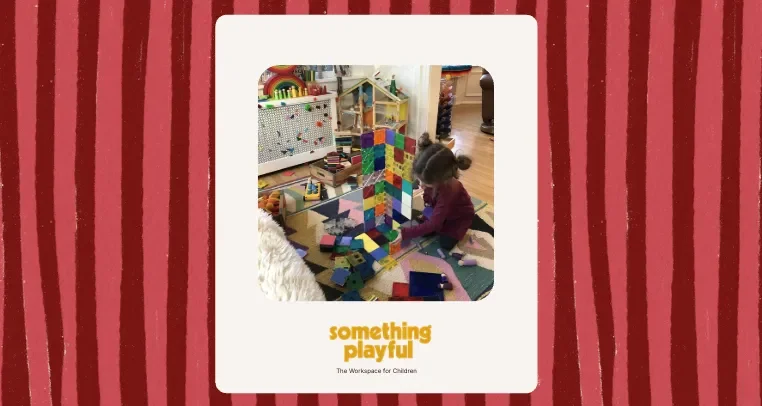
My daughter was ten at the time, and deep in that precious place where she and her friends would spend hours on end playing complicated and ongoing games of pretend that used up every stuffed animal (even the less coveted ones that usually play with the dust bunnies under the bed), both nugget play couches splayed across the room as makeshift stores with battery operated tea lights, small wooden blocks and shells laid carefully across shelves built out of magnetic tiles.
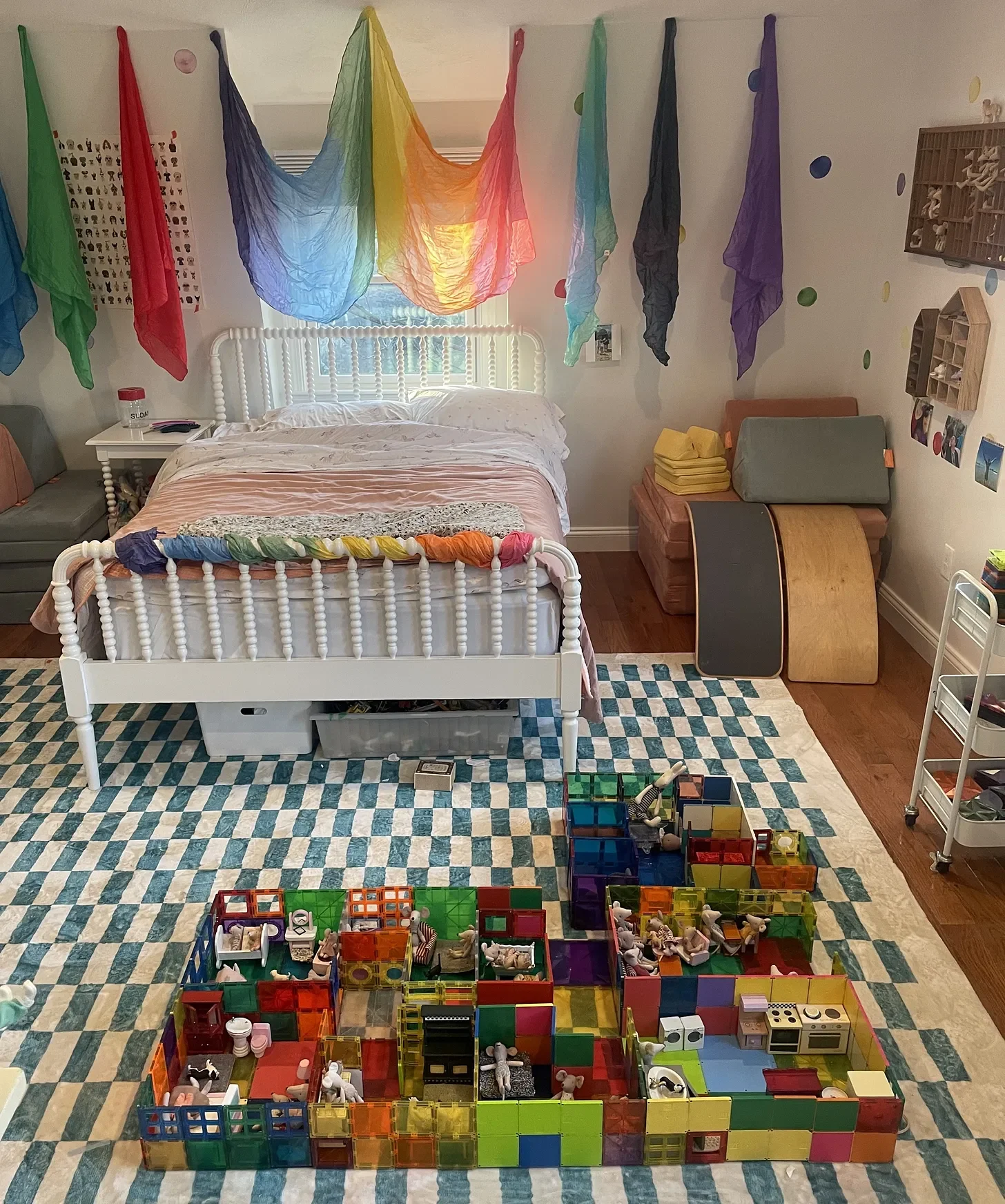
They were old enough to build realistic sets for their play, and during recess at school, they’d talk through their play ideas, negotiating who would do what in the game, who would get to use the good acrylic rainbow blocks, and who would have to settle for the dustier wooden ones this time. They’d race home from school, oversized backpacks bouncing on their backs, just on the cusp of adolescence, but not there yet.
They’d trample up the stairs, our two big dogs eagerly romping behind them, wanting in on the action, and I wouldn’t hear from them or see them again until pickup time. But the sounds of these girls up in my daughter’s room, magnetic tiles clicking, hushed whispers, and hysterical laughter, will live rent-free in my brain forever.
Thinking about the click of the tiles brings me back…
The whoosh before the crash as my four-year-old’s tower crashed to the ground, bracing myself for the frustration spiral that was sure to follow.
The baby in her high chair, chubby hands banging together a few magnetic tiles on her tray, while her siblings played on the floor at her feet.
And when she was 18 months, crashing every single building her big siblings created. She could not be stopped. At first, they’d scream and cry for me to get her out of the playroom, and eventually they started playing “release the beast,” where they’d build up towers as fast as they could and then call her in to knock them down.
They are thirteen, sixteen, and eighteen now, and I miss the clickety clack of tiles.
In my family, we did some things differently — things that made magnetic tile play a mainstay in our home for over ten years.
Children play to make sense of their world. It’s one of the only times they get to be wholly in control. And magnetic tiles, set up intentionally, become the tool they use to build it.
Here’s what we did differently.

You’ve seen them. The magnetic tile builds on Instagram — intricately engineered, mesmerizing, with a caption, steps, and a guide to follow.
I always wonder: are we setting our kids up to fail?
Someone (probably a grown-up) builds something incredible. A castle. A marble run. A multi-story car garage. Your child watches, wide-eyed. They move in and start playing with it… Then it collapses, or they knock it over, or a sibling does, and suddenly no one can recreate it. Your child is frustrated. They need you again.
This isn’t a failure of the toy. It’s a failure of the setup.
This week’s edit is everything I know about magnetic tiles: how to introduce them, how to use them well at every age, what to actually buy, and the mistakes that are probably making them less useful than they should be.
This is week 3 of my new series, Something Playful. Over the coming weeks, I’ll be going one material at a time, bath toys, art supplies, blocks, dolls, showing you how to use what you already have at home to get more independent play out of each one. Last week was board games, and playdough was before that.
This is the week to start.