What to Do When Your Kid Opens a Gift They Hate (in Front of Everyone)
And in that split second, your brain is doing twelve calculations at once: What will everyone think of me? Is this normal? Am I handling this right?
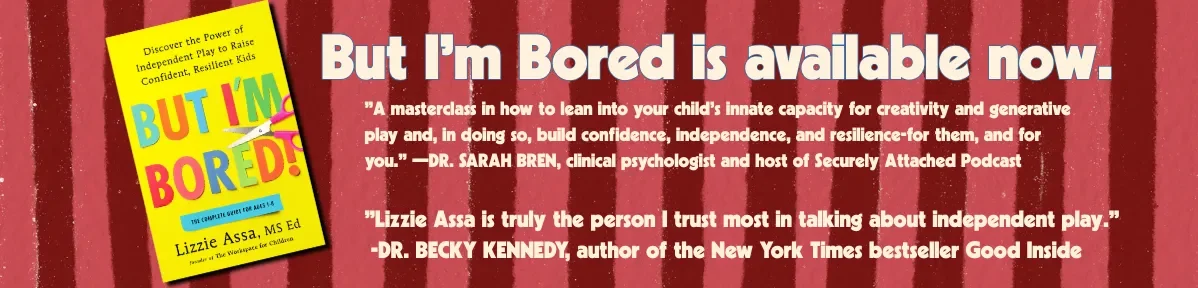
This book is for you if you’ve ever thought:
What if we just… slowed down? What if play is the thing that builds everything else?

You know that moment.
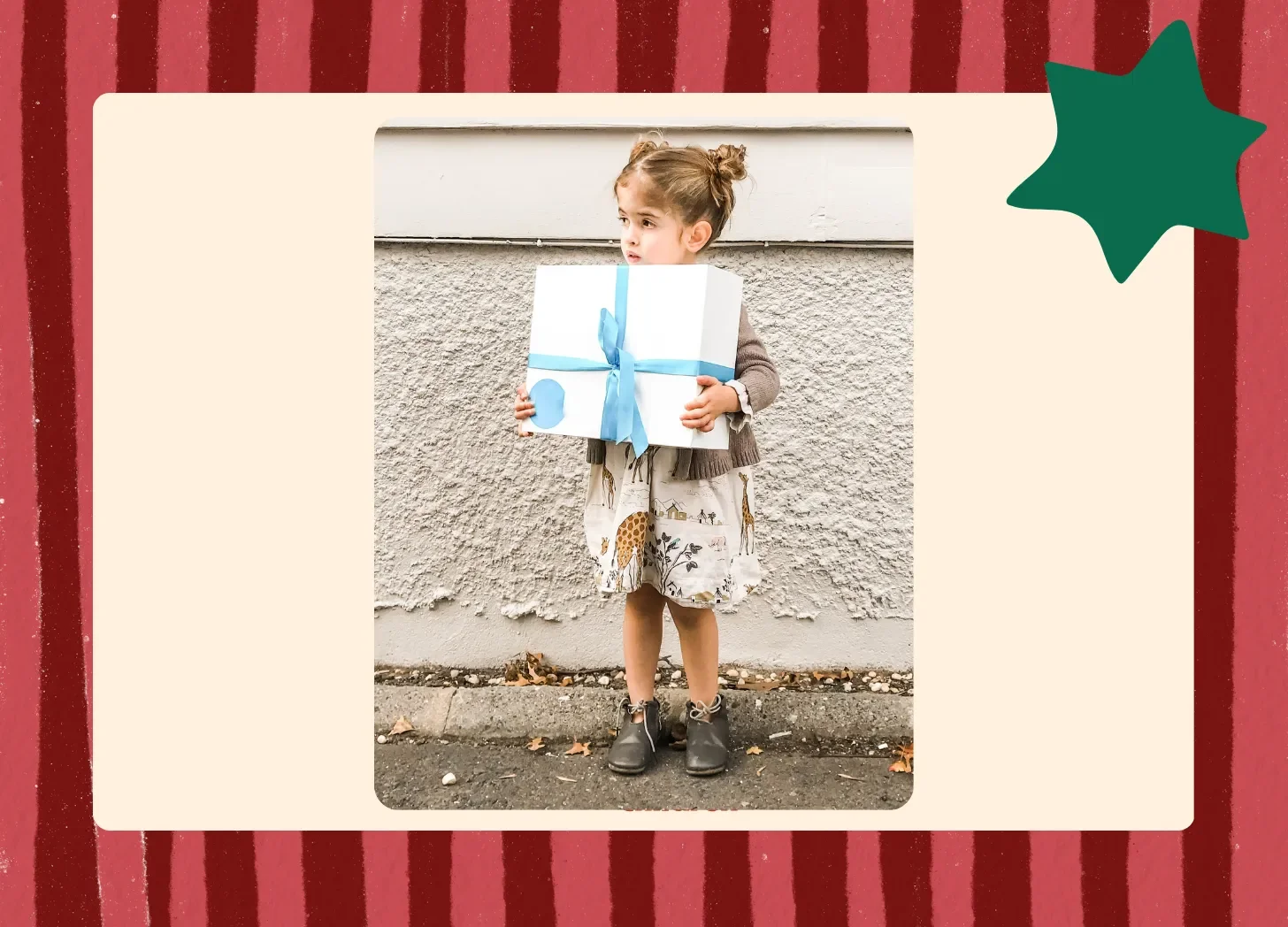
The room’s quiet. Wrapping paper’s flying. Your four-year-old is flying high on candy canes and adrenaline. They rip into the puppy-covered paper, expecting a unicorn or a sparkly tiara.
Instead?
Grandma’s handmade sweater tumbles out.
And without missing a beat, your child says (in their very loud and very honest voice):
“I wanted a unicorn stuffie.”
Cue the silence.
Cue the internal scream.
The tsk-tsk from your mother-in-law and the “thank-God-it-wasn’t-my-kid” glance from your sister-in-law.
You want to disappear into the couch you are sitting on.
Here’s what most of us want to do in that moment:
Fix it. Save face. Smooth it over by shaming our kid into gratitude.
“Be grateful.”
“You should say thank you!”
“That’s not nice.”
But here’s the thing… your kid isn’t trying to be rude. They’re four.
What’s in this post:
What to say in the moment when your kid blurts out “I didn’t want this!”
Why gift disappointment is not a parenting fail
A simple mindset shift to stop spiraling about gratitude
How to prep your kid before the gift exchange
One play-based strategy that helps
And in that split second, your brain is doing twelve calculations at once: Will this hurt Grandma’s feelings? Am I raising a spoiled kid? Should I correct him now or later? What will everyone think of me? Is this normal? Am I handling this right?
It’s exhausting. And it all happens in the three seconds between ‘I wanted a unicorn’ and whatever comes out of your mouth next.
Here’s what you’re going to do when this inevitably happens:
First, remember this: Kids can’t take on a lecture when they are heightened. They won’t learn anything from your stern public talk, but they will feel a pit of shame on a day that you’ve worked all season to feel light.
Say something neutral, like:
“Thank you so much for the thoughtful gift!” and MOVE ON.
You can circle back with Grandma later and say:
“Thank you again. We’re still working on gift-receiving with Noah.”
You don’t need to explain your parenting in front of the whole room. You don’t need to fix the moment to protect your image.
Your kid is allowed to be a work in progress, especially during a sensory-overloaded holiday with ten relatives watching.
Why this happens:
2–3-year-olds don’t have the regulation skills to mask disappointment
4–5-year-olds are becoming aware of others’ feelings, but impulse control? Still shaky.
6–8-year-olds are getting there, but holiday energy plus social pressure can sometimes equal regression city.
Kids need coaching, not public correction.
Want to get ahead of the moment? Try this:
Role play ahead of the holiday. Seriously.
Grab a few toys, wrap them in dish towels, and pretend to be the gift-giver.
You: “Ooooh, what did you bring me?!”
Open a toy and say, “Oh, it’s a block. I wanted ice cream.” (insert dramatic sad face)
Then ask: “Hmm… was that a kind way to act?”
Let your kid guide you:
“Maybe I could say… ‘Thank you for picking this out for me.’”
That’s the skill. That’s the role play. It helps.
As my kids grew from preschoolers who might blurt out something too honest into grade schoolers who “should know better,” we started doing this in the car, quick, playful, over-the-top role play. I’d kick it off with something dramatic and ridiculous, and they’d take it from there, cracking up while still absorbing the point. Turns out, exaggerated silliness is the best way to teach the skill without turning it into a lecture.
Bottom line?
You’re not raising a spoiled brat. You’re raising a kid who’s still learning how to manage big feelings in front of an audience. There’s no shame in that.
x Lizzie
P.S. If you are feeling the holiday spiral, I’ve been sharing small shifts that help and a few places picked up the convo!
In Parade Magazine, I talked about how to reduce holiday overwhelm (even when the chaos is unavoidable).
Charmspring asked me to share how we use rhythm and ritual to stay grounded.
If you want to dive deeper into how we’re navigating this season:
Parade Magazine feature
Charmpspring Holiday Survival Tips
Toys That Put Childhood First: A Curated Gift Guide from The Workspace for Children This isn’t about presents. It’s about play. Forget the hot toy lists. Here’s what your child will still love in April….