From Screen Time to Real-Life Play: How to Build the Bridge
When Screens Inspire Play Instead of Replacing It
You don’t have to be anti-screen to be pro-childhood
I’m not here to scare you into banning screens or to pat you on the back while your 6-year-old watches another three hours of YouTube.
I’m here for the in-between.
The parent who gets that screens aren’t going anywhere…
but also doesn’t want a glowing rectangle to become the main character of their kid’s childhood.

Here’s what you’ll find inside this post:
What it looks like to bridge the gap between screen time and real-life play
Why screens aren’t the problem, but becoming the default is
A Paw Patrol story that shows how connection starts with what kids love
What to do when your child is deep into Roblox, Bluey, or Minecraft
How to support play without buying more toys or sitting on the floor all day
Age-based ideas and examples for kids 3 to 5, 5 to 7, and 8 to 9
How to use favorite characters and games as a starting point for independent play
What it means to meet kids where they are when their interests begin with a screen
How to set up play so it’s easier for kids to take the lead
Ways to follow up on their play so they know you’re paying attention
There’s a way to use screens without letting them take over.
And while it doesn’t require a color-coded chart or daily sticker system,
It does require intention and clear limits and boundaries.
The real issue? Screens becoming the default behavior instead of play.
Screens aren’t the villain, but when they fill every quiet moment, after school, before dinner, during errands, while waiting in line, that’s when we start to lose something.
We lose conversations.
We lose boredom (yes, that’s a loss).
We lose the moments where play was in charge.
My goal has never been “no screens.”
My goal is for play to be the default behavior and for screens to be used for enjoyment. I will always be fiercely protecting the parts of childhood that aren’t powered by WiFi.
And, in order to do that, we need to be able to meet our kids where they are right now. Whether they are three or nine, connecting with them about their interests, including screen interests, is always a direct path to connection.
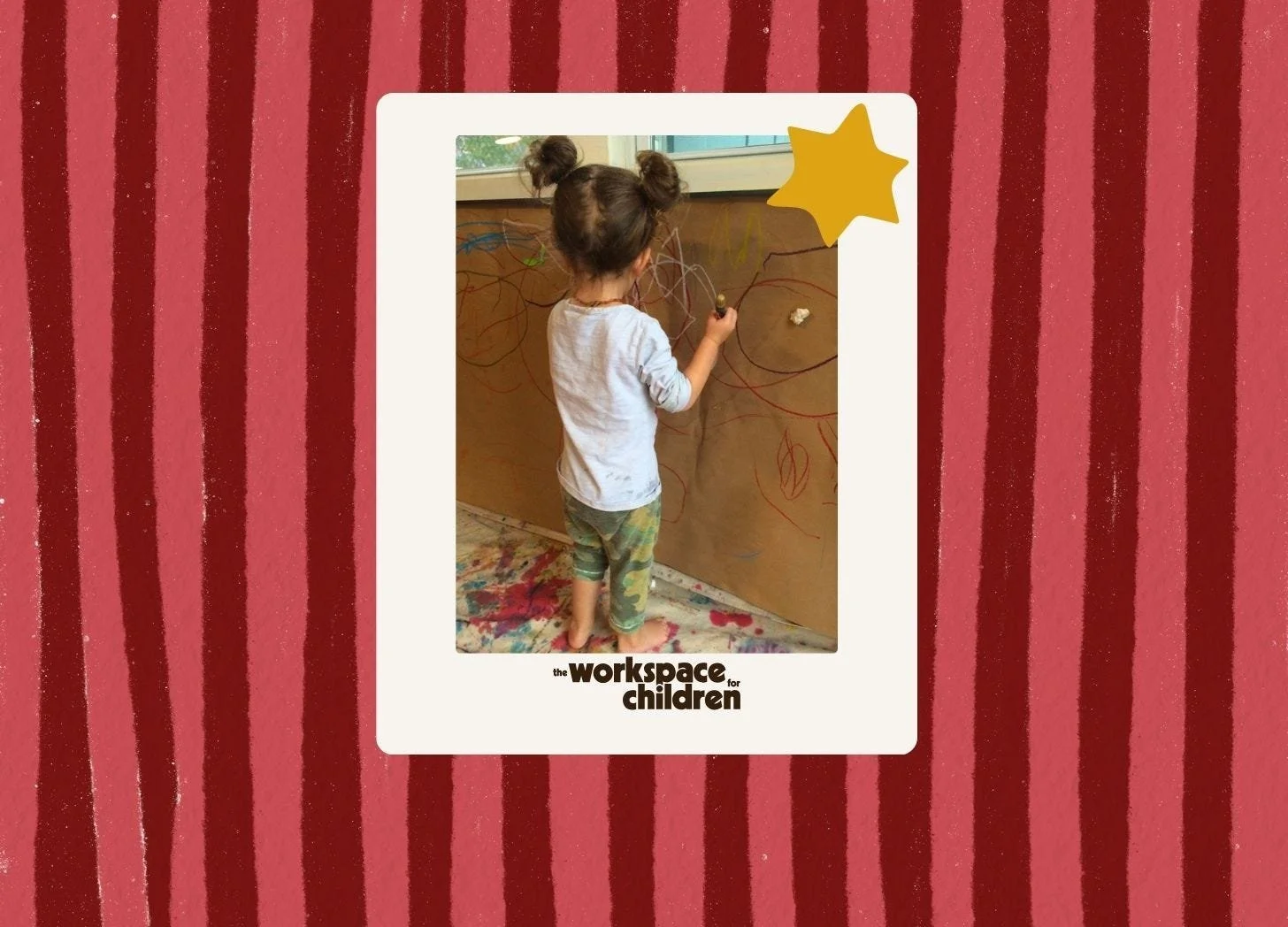
Here’s what that can look like:
Let me tell you a quick story. When my youngest was a toddler, she loved Paw Patrol. Her big brother and sister loved it too, and she became obsessed. She talked about the pups all the time. She played about them, sang the theme song as she fell asleep for her nap, and her babysitter even got her a set of plush pups so that she could cuddle with them.
One day, I saw a small set of Paw Patrol figurines at Target, and I bought them. She LOVED them. They became her most prized possessions. They went in the bath, came in the car for long car trips, they were her playmates as she waited at her big sister’s soccer practice, and tagged along to the supermarket. They were buried and found at the beach, frozen in ice blocks to be rescued, and most of all, they found a home in her wooden unit blocks and magnetic tiles.
We were a low-screen household, and truth be told, at first, I didn’t love the idea of this Paw Patrol obsession.
But… When I leaned into what mattered most to her? Play unfolded.
Let me be clear. I did not go out and buy the pup tower. (My lovely in-laws, who could never say no to her, did, but we compromised and kept it at their house.)
And here’s the reason why:
I wanted the pups to be a bridge between screens and real-life play.
The tower, while so exciting for her, can only hold a few stories. There is one way to play with it. There is a right and wrong way to use it. The toy dictates the play, not the child.
But blocks, magnetic tiles, and playdough? She could be in charge of her own play. She could use the stories and ideas she was processing from the show and make them her own. She could create a pup tower, if she wanted, or the pups could go on more real-life adventures of her own design.
Make sense?
When we meet our children where they are in their interests, even screen-related interests, we create a connection.
When we ask them about their shows, their video games, their movies, they hear:
“My grown-up cares about what I care about.”
“My grown-up wants to hear my ideas.”
“I am interesting and important.”
So, let’s start right where they are and get really concrete, with some tips you can use today to start bridging the gap between screen time and real-life play.
Let’s get concrete.
What this looks like broken down by age:
This next part is just for paid subscribers. I’ll walk you through what this can look like at different ages and how to make screen time part of the play, not the end of it.