My Kids Are 12, 16, and 18. I Still Keep Toys on the Coffee Table.
I keep toys out because when toys are in sight, people play.
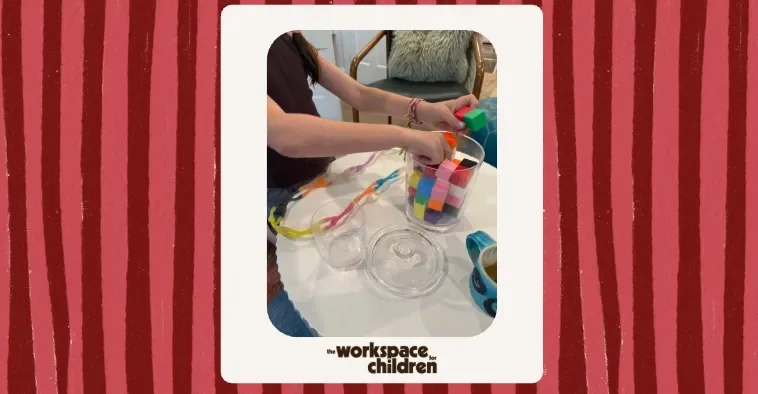
Last night, my 16-year-old came downstairs after finishing her homework. She flopped onto the couch, pulled out her phone, scrolled for about thirty seconds, then noticed the small basket of acrylic blocks on the coffee table.
She picked one up. Then another. Within minutes, she was building a tower, completely absorbed. Phone face down on the cushion beside her.
This Substack is reader-supported. To receive new posts and support my work, consider becoming a free or paid subscriber.
I didn’t say a word. I just watched.
As I picked up the discarded socks and dog toys that were strewn on the floor around us, she started to chat about her day. Nothing major, just little snippets of track practice, an anecdote from English class, and something funny one of her friends said at lunch.
As her hands moved slowly across the smooth surface of the small and sturdy blocks, something loosened. And I was so grateful for this little life hack that I like to call “coffee table toys.”
My kids are 12, 16, and 18. And yes, I still keep toys on our coffee table.
Not because I’m stuck in the toddler years (though some days I miss them desperately).Not because I’m trying to prove a point about screens or family connection.
I keep toys out because when toys are in sight, people play
Last Spring, we had a gathering of track families at our house to celebrate my oldest son, who had just become an All-American in the 5K. We invited all of the coaches, friends, and teammates who supported him in creating this accomplishment so that we could thank them, feed them, and gather in joy. There were people there, ages 8-68.
A coach sat leaning over the table, carefully balancing blocks while deep in conversation with a high schooler. A teammate’s mom held a rubber squig, suctioning it and unsuctioning it, as she chatted with another mom. Big, tall high school boy-men fidgeted with wooden puzzles while ribbing one another and wolfing down Chipotle. Little kids, parents, teens, adults, whoever was around. They couldn’t resist. Phones went down, and hands got busy.
Almost everyone at that party, at some point in the evening, played with our coffee table toys.

Why Coffee Table Toys Work (Even for Big Kids)
Here’s what I’ve noticed over the years: when play lives in shared spaces instead of tucked away in bedrooms or playrooms, it becomes something the whole family dips in and out of in the in-between moments.
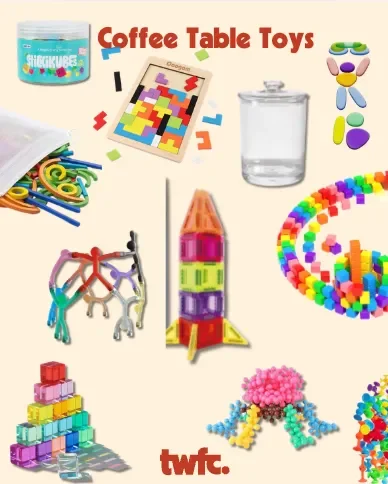
A small basket of blocks. A set of magnetic tiles. Some colored pencils and blank paper. A deck of cards. A wooden puzzle. Nothing elaborate. Nothing that requires setup or explanation.
Simple, open-ended materials that say, “You’re allowed to slow down here.”
When things are simple and in sight, kids settle in. You get a little breathing room. And play becomes part of the day without any extra effort.
What This Actually Looks Like
Our coffee table isn’t styled. There’s usually a water glass someone forgot, a pile of mail I haven’t sorted, and yes, a small canister of coffee table toys.
Sometimes it’s Magna-Tiles. Sometimes it’s a jar of colored pencils and a stack of index cards that my youngest uses to draw elaborate characters. Right now, it’s wooden blocks and a small bowl of tiny magnetic people that my middle kid has been arranging into intricate patterns.
I don’t think much about it. I just keep it out.
Keeping a few simple toys on the coffee table makes play feel easy to start, even in the middle of everyday life. Kids drift toward what’s out and ready, and adults join in because it doesn’t feel like a setup or a big ask.
This Works for All Ages
When my kids were little, coffee table toys kept them playing while I made dinner or answered emails. They’d build block towers, sort figurines, or draw while I worked nearby.
Coffee table toys are actually one of my favorite types of play pockets —those small, intentional zones of play materials I talk about in But I’m Bored.
Now that they’re older, those same principles still apply. My 18-year-old will sit down with the blocks while waiting for dinner. My 12-year-old doodles with colored pencils while she FaceTimes with friends. My 16-year-old fiddles with brightly colored clay when she needs a mental reset.
It’s not childish. It’s relaxing. It’s processing. It’s play.
I do it too. Sometimes I sit down with the blocks myself, stacking them into towers while I think through a problem or decompress from the day.
I dare you to put out coffee table toys.
Not hidden in a basket under the couch. Not stored neatly in the playroom. Out. On the table. Where everyone can see them.
They can’t not play.
Try it for a week. A small basket. A few simple things. See what happens.
You might be surprised by who reaches for them first.
You don’t have to have the exact right toy. You don’t need to buy something new. Grab a few toys that you already have and arrange them on your coffee table and see what happens!
If this post helps you or someone you love, hit the ❤️ or share it with a fellow parent.
Thank you for being here. x. Lizzie
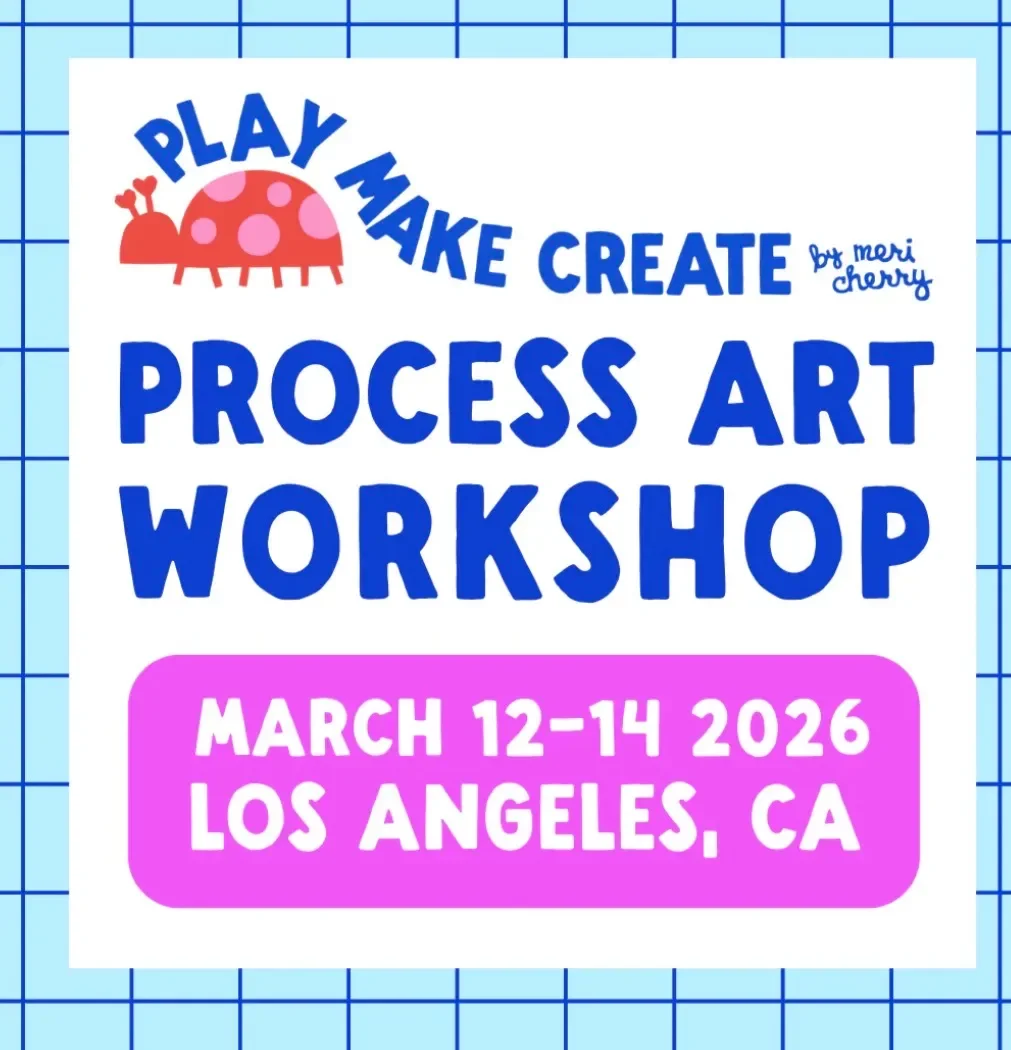
P.S. Guess what?! I will be keynoting this workshop with my dear friend and colleague, the one and only Meri Cherry. The event will be held at Play Make Create in Encino, CA.
Meri has been a friend and business mentor for over ten years, and I am just so beyond thrilled to be in conversation with her at the Process Art Workshop, March 12-14. When we were chatting, I mentioned that I was surprised she was able to keep her prices down for such a comprehensive weekend event, and she smiled and said how important it was for her to fill the room with artists and educators from around the world, and that she didn’t want it to be price-prohibitive. And, she gave me a discount code for you all!! Please use the code LIZZIE for $200 off. I hope you will come and join us for an epic few days of process art, play, and connection.
If you liked this post, check out others on similar topics: